health
Modern healthcare systems have delivered extraordinary advances in acute care, infectious disease, and life-saving interventions. Yet when it comes to chronic conditions — particularly those related to stress, pain, and long-term functional health — outcomes remain mixed, and in many cases, suboptimal.
A large part of this stems from how health is conceptualised.
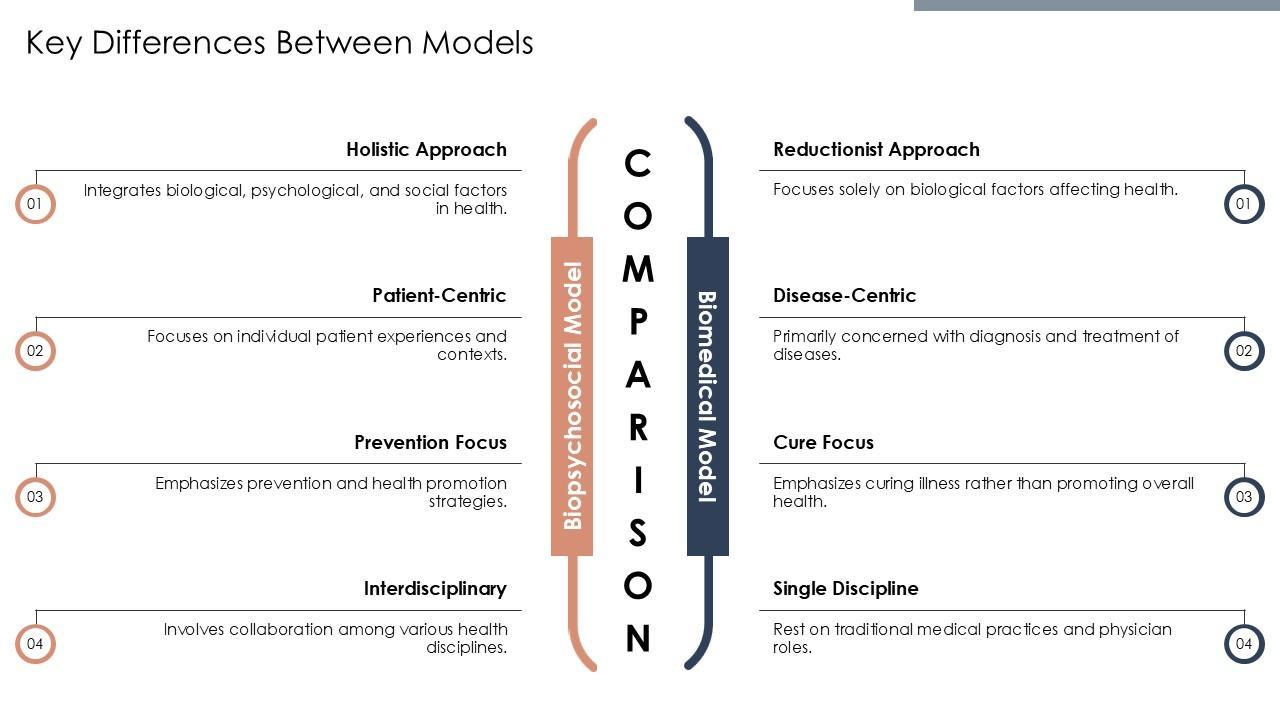
Current models of care tend to separate the body from the mind, focusing primarily on biological mechanisms while giving less systematic attention to the role of the nervous system, perception, and lived experience. This approach has clear strengths, but it can also lead to fragmented care — particularly in conditions where no single structural cause fully explains the symptoms.
Emerging evidence across neuroscience, psychology, and behavioural medicine points to a more integrated picture. The nervous system plays a central role in how symptoms are generated, interpreted, and maintained, especially in the context of chronic stress and sensitisation. In this light, many conditions are better understood not as purely physical or purely psychological, but as the result of complex interactions between the two.
Despite this, integration into mainstream care remains limited.
Treatment pathways often prioritise symptom management over addressing underlying drivers, and prevention remains underemphasised relative to its potential impact. This is particularly relevant given the growing burden of chronic disease, where lifestyle, environment, and long-term stress exposure play a significant role.
I am interested in what a more integrated model of health could look like — one that:
recognises the role of the nervous system in shaping physical health
bridges biological, psychological, and environmental perspectives
places greater emphasis on prevention and early intervention
and remains grounded in evidence while open to evolving understanding
Alongside my broader work in impact and sustainability, I am involved with Rypple, where I contribute to exploring and developing approaches aligned with these principles. This includes thinking about how mind-body frameworks can be applied in a structured and credible way, and how they might complement existing models of care rather than replace them.
This is an evolving area. While not all approaches are equally supported by evidence, the direction of travel — toward a more integrated understanding of health — appears increasingly clear.
The question is not whether mind and body are connected, but how healthcare systems can more effectively reflect that reality in both treatment and prevention.